Australian Children’s Books for 3-5 Year Olds: The Best Picks
Three is the age the bedtime story turns into a negotiation. Not which book, but the same book. Again. The one from last night, and the night before that, and the fourteen nights before that. You can recite it. The pictures are scuffed. And your three-year-old’s eyes are already on the page before you’ve turned to it.
That’s the thing a good preschool book has to survive: relentless repetition. So this is a guide to the Australian children’s books that hold up to it for the 3-5 year old crowd, sorted by what a preschooler actually does with a book, not by a tidy list of award winners. This is a Grug fan site, so that bias is on the table from the start. Everything else here is here because preschoolers keep asking for it.
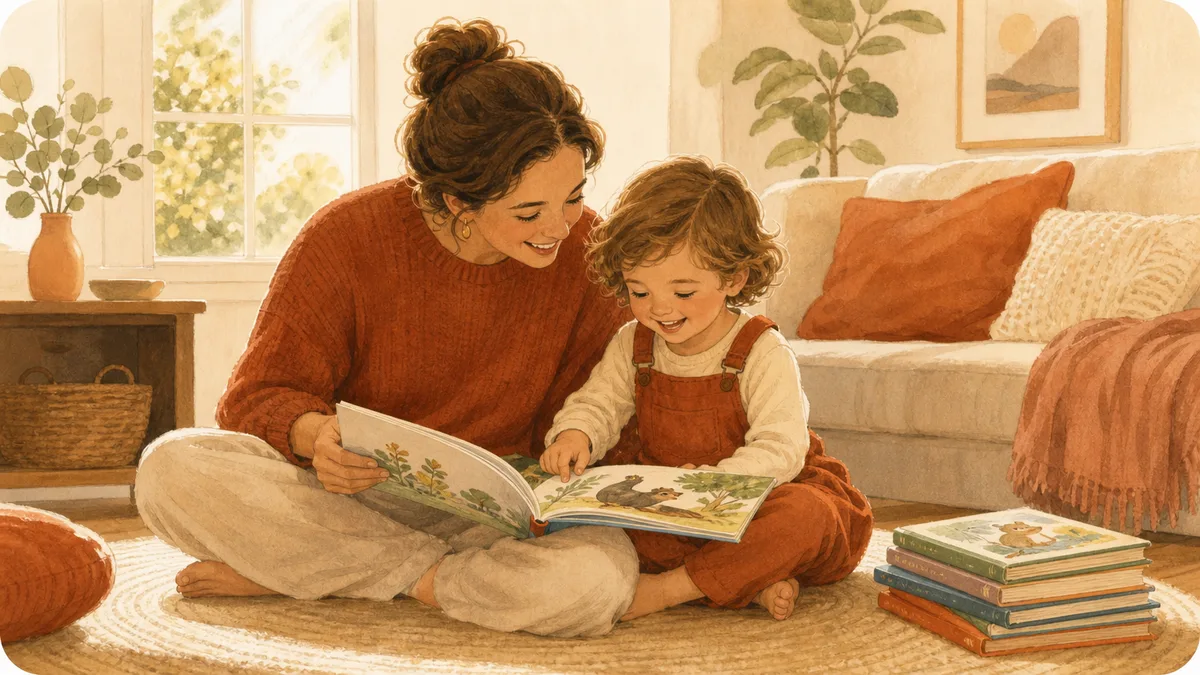 Three to five is the age of the on-repeat book, the one read until the cover gives out.
What makes a book right for a 3-5 year old?
A picture book suits a 3-5 year old when it has a story they can follow, a rhythm they can join in with, and a problem small enough to feel safe. At this age a child can sit through a plot, predict what comes next, and chant a refrain back at you. The artwork still does a lot of the work, but the story now carries the load. Busy, wordy books for older kids lose them; bare naming books for babies bore them.
That middle ground is the sweet spot. A preschooler wants to participate, not just watch. They want to shout the next line, spot the thing on the page before you point at it, and feel the small relief of a problem getting solved. Get those three working and you’ve got a book that survives the fourteenth read.
The best Australian books for 3-5 year olds
Here’s the shortlist, grouped by what your preschooler is in the mood for. A book to chant along to. A book for a worry. A funny one. And the on-repeat picture-book series that fits this exact age band.
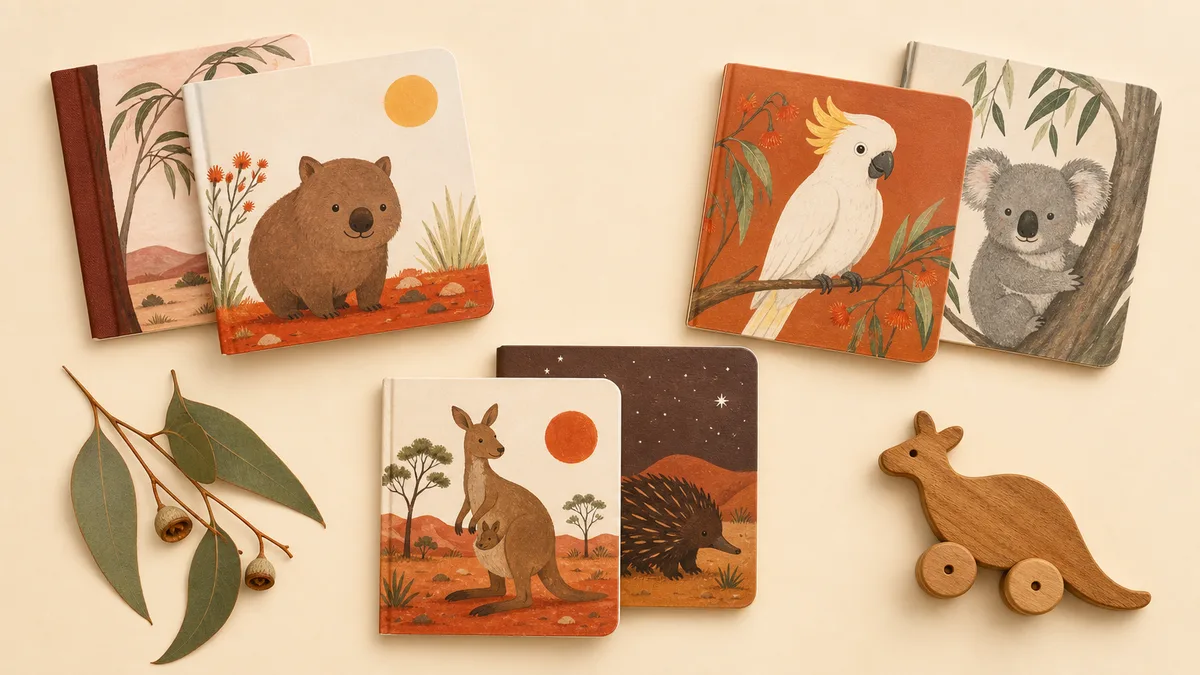 Pick by the mood your three-year-old is in, not by the award sticker.
Books to chant along to
The single most reliable thing you can hand a preschooler is a book with a refrain. They learn it in two reads and then they own it, shouting the line a half-second before you do.
Wombat Stew by Marcia Vaughan and Pamela Lofts (1984) is the one everyone’s parents read them. A dingo plans to cook a wombat into stew, and the “wombat stew, wombat stew, gooey, brewy, yummy, chewy” chant is impossible not to join. Preschoolers shout it. Then they act it out. Then they ask for it again.
Mem Fox and Judy Horacek’s Where Is the Green Sheep? (2004) works at the younger end of this band, and a four-year-old who had it as a baby will now “read” it back to you from memory, hunting the missing green sheep through every spread. It’s calm and rhythmic and the running joke finally lands at this age.
Books for a worry
Three to five is peak worry season. The dark. The first day of preschool. A new sibling. The right book at the right moment does more than a hundred reassurances.
Scary Night by Lesley Gibbes and Stephen Michael King is built for the child who’s scared of the dark. Three animals carry mysterious parcels through a spooky night to a surprise that turns the fear inside out. It was a Children’s Book Council of Australia Early Childhood honour book in 2015, and it’s funnier than scary, which is the whole point.
Mem Fox’s Koala Lou (1988), illustrated by Pamela Lofts, is the new-sibling book. A young koala whose mother stops saying “Koala Lou, I DO love you!” so often once the other babies arrive. Every older sibling sees themselves in it, and the ending undoes the ache. If a worry is the reason you’re buying, the Grug picture books cover a lot of the small ones too, which I’ll come to.
The funny ones
A preschooler who laughs at a book asks for it again before the laugh has faded. Funny is the strongest repeat-reading fuel there is.
Jackie French and Bruce Whatley’s Diary of a Wombat (2002) is the modern classic. A wombat whose entire week is sleeping, eating, and slowly training the new neighbours to hand over carrots. The deadpan one-line diary entries land for kids and exhausted parents both. Edward the Emu by Sheena Knowles and Rod Clement (shortlisted for the Picture Book of the Year in the late 1980s) is the other one: an emu bored of being an emu who tries on every other animal at the zoo, with a twist ending preschoolers find genuinely delightful.
The on-repeat picture-book series
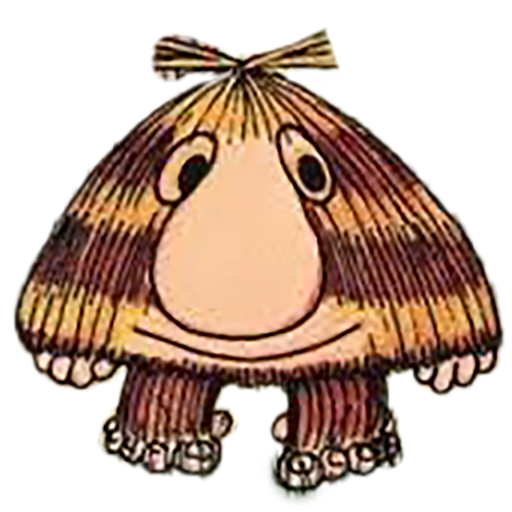
Now for the bias I declared up front. The Grug picture books are built for exactly this age. Ted Prior created Grug in 1979 from the top of a Burrawang tree, and the series ran to 47 books, each one a small bush creature working out one concrete, small-child problem. Learning to swim. Going to school. Being scared, lost, or stuck. No villains. No drama. Grug meets the problem and calmly works it out, and that’s the whole book.
That structure is why they suit three-to-five so well. A preschooler watching a character their own size solve a problem the right size is doing emotional rehearsal, not just listening to a story. There’s a Grug book for nearly every situation a small child runs into, which means there’s usually one that matches whatever your kid is wrestling with this week. For the babies-and-toddlers end, our guide to Australian children’s books for babies and toddlers covers the board books that come before these.
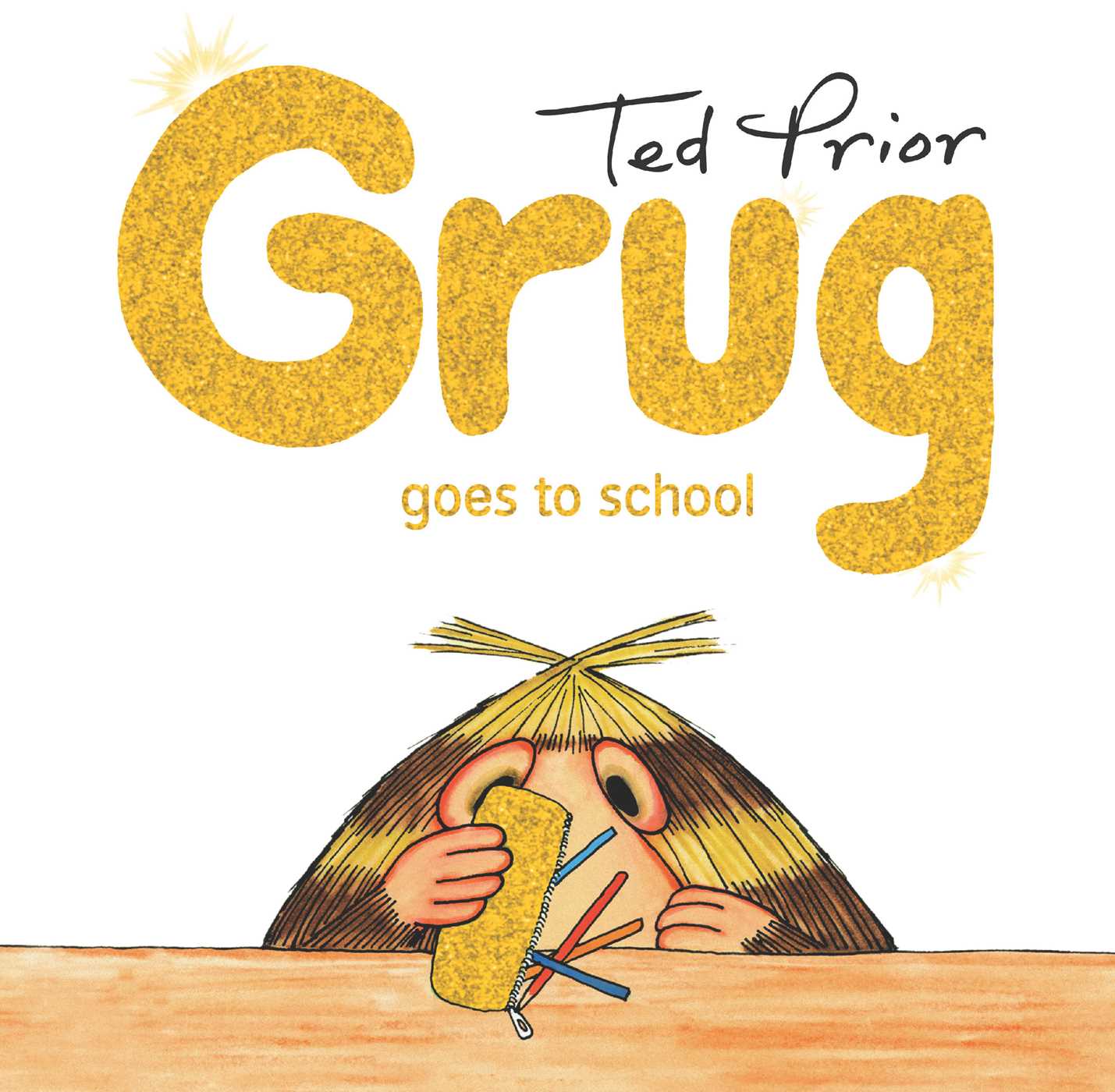 The Grug picture books each take one small worry, like the first day of school, and work it out calmly.
Browse the full Grug picture book series →
Books that teach a concept without feeling like a lesson
Preschoolers are sorting the world into categories: animals, colours, opposites, places. The best concept books for this age hide the lesson inside a story good enough that the kid doesn’t notice they’re learning.
Alison Lester is the master of it. Magic Beach (1990) is a single day at an Australian beach that turns ordinary rock pools and sandcastles into adventure, and it teaches a child to look harder at a real place they already know. Her Are We There Yet? takes a family on a lap around Australia, and a preschooler comes away knowing the shape of the country and the names of places without a single quiz. These aren’t worksheets. They’re stories that happen to leave a child knowing more than they started with.
The Grug concept board books (Colours, Animals, ABC, 123) sit at the younger edge of this band for a child still naming things one per page. By four, most kids have moved past them to the picture books, but they’re a gentle bridge for a three-year-old not quite ready for a full plot.
How many books does a preschooler actually need?
Fewer than you think, read more often than you’d guess. A preschooler doesn’t want a library. They want six to ten books they love, read on a loop, with one or two new ones drip-fed in. The on-repeat book is doing the real work: building vocabulary, sentence rhythm, and the comfort of knowing what comes next.
So don’t overbuy. A small, well-loved shelf beats a big untouched one. Rotate a couple in when interest flags, keep the favourites within reach, and let your kid wear one out completely. A picture book read until the spine cracks has earned its keep. If you’re buying for someone else’s preschooler, our guide to Australian children’s books as gifts sorts the picks by occasion, and the broader best Australian picture books roundup goes wider than this age band.
Frequently asked questions
What are the best Australian books for a 3-year-old?
Books with a refrain and a simple, calm story. Where Is the Green Sheep?, Wombat Stew, and the early Grug picture books all suit a three-year-old, because they invite joining in and solve one small problem per book. At three, the rhythm and repetition matter more than a complex plot.
What books help a preschooler who’s scared or worried?
Stories that name the worry and resolve it gently. Scary Night by Lesley Gibbes works for fear of the dark, Koala Lou by Mem Fox suits a new-sibling worry, and the Grug picture books cover small everyday ones like the first day of school or being lost. A preschooler rehearses feelings through a character their own size.
How many books should a 3-5 year old have?
Around six to ten they genuinely love, not a huge collection. Preschoolers learn through repetition, so a small shelf of favourites read on a loop does more than a big shelf read once. Rotate a new title in occasionally and let them wear the favourites out.
Are picture books or chapter books better for a 4-year-old?
Picture books. Most four-year-olds aren’t ready to sit through a chapter book with no pictures, and the artwork in a good picture book is still doing real storytelling work at this age. Save early chapter books for five and up, once a child can hold a longer thread on their own.
What Australian picture book series suits 3-5 year olds best?
The Grug series is built for this age: 47 picture books, each one a small bush creature calmly solving a single small-child problem, with no villains. Because there’s a Grug book for nearly every situation a preschooler meets, the series tends to match whatever your child is working through that week.
A preschooler’s bookshelf doesn’t need to be long. It needs a few books with a refrain, one or two for the worries, a funny one, and the on-repeat series they’ll demand nightly until the cover falls off. For most Australian three-to-five year olds, Grug is a fair place to start: 47 small stories about working things out, made for exactly this age.