Australian Children’s Books: A Complete Guide to Classics, Characters and Gifts
Australia is a country of about 27 million people. For its size, it has produced a staggering number of children’s books that the rest of the world actually knows: Possum Magic, The Magic Pudding, Snugglepot and Cuddlepie, and more recently Bluey, which is now watched in more than sixty countries.
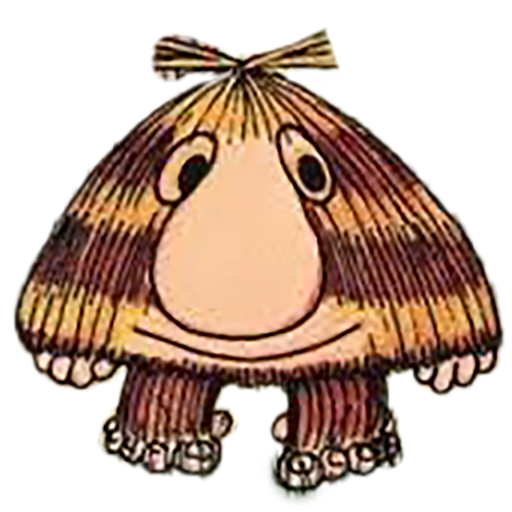
That’s not an accident. There’s something specific about Australian children’s books, and once you see it you can’t unsee it. This is a fan site devoted to one small part of that tradition — the Grug series, now more than forty years in print — so this guide comes from people who love these books rather than write about them from a safe distance. It covers the whole field: what makes these books distinctive, the characters every Australian kid grows up with, the best picks by age, and where to buy them. Each section links to a deeper guide if you want to go further.
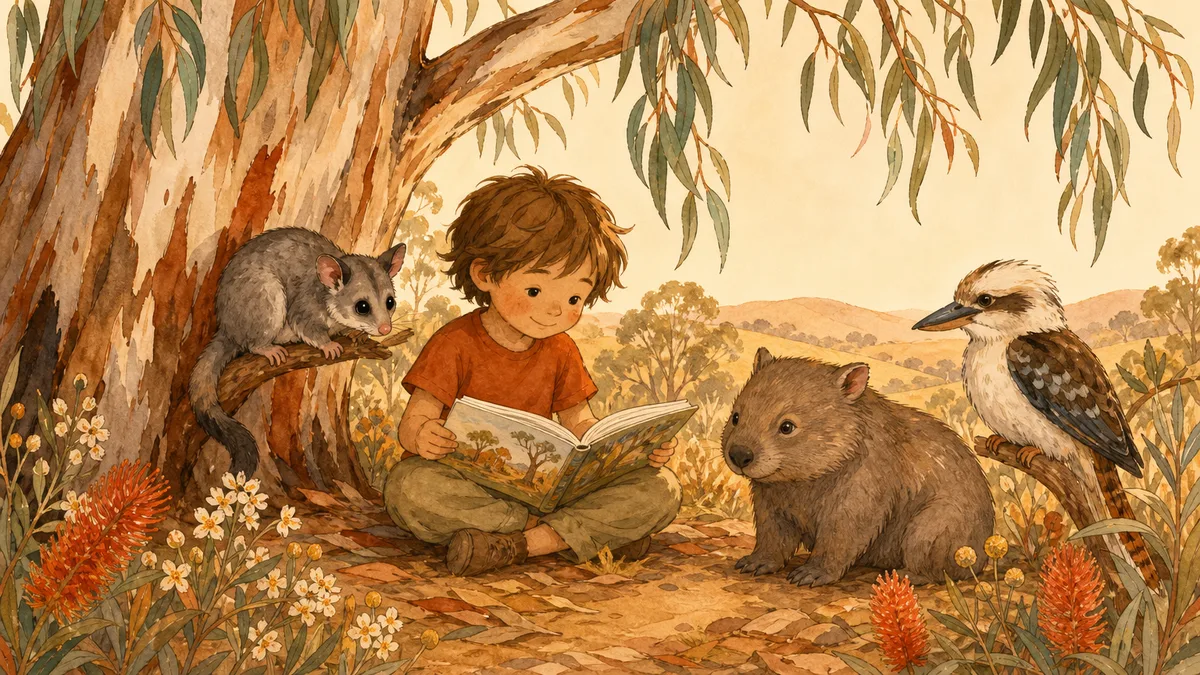
Australian children’s books take small readers seriously and root them in a real place.
On this page
- What makes a great Australian children’s book?
- A short history: from Blinky Bill to Bluey
- The most iconic characters
- Books by age group
- Picture books and board books
- Books about the bush, nature and animals
- The classics worth owning
- Books as gifts
- CBCA Awards: what they are and why they matter
- Where to buy
- Frequently asked questions
What makes a great Australian children’s book?
A great Australian children’s book is rooted in something real about the place — the bush, the native animals, Indigenous stories, a dry sense of humour — while solving a small, concrete problem a child actually recognises. It doesn’t import its world from England. It looks out the window, draws what’s there, and trusts the child to keep up.
That last part matters. The best Australian children’s books don’t talk down. Seven Little Australians killed off a main character in 1894 and never apologised for it. Possum Magic is about loss and belonging dressed up as a story about food. The books that last give children something true to hold, not just something cute.
A short history: from Blinky Bill to Bluey
The first children’s book written and published in Australia is usually dated to 1841: A Mother’s Offering to Her Children, credited to “A Lady, long resident in New South Wales,” later identified as Charlotte Barton. It reads as a historical document now more than a bedtime story.
The tradition properly begins with Ethel Turner’s Seven Little Australians (1894), the oldest Australian children’s book still widely read. Then comes the year everything changed: 1918, when May Gibbs published Snugglepot and Cuddlepie and Norman Lindsay published The Magic Pudding within months of each other. Gibbs turned eucalyptus seed pods into gumnut babies and gave Australia its first homegrown picture-book world. Lindsay gave it Albert, a bad-tempered pudding who can never be finished, about as Australian a character as exists.
Dorothy Wall’s Blinky Bill arrived in 1933. Then a long quiet stretch, broken by Colin Thiele’s Storm Boy (1964) and Dick Roughsey’s Indigenous classic The Rainbow Serpent (1975), which won the CBCA Picture Book of the Year in 1976.
The 1980s were a golden run. Grug (1979), Possum Magic (1983), Wombat Stew (1984), Animalia (1986). Then Diary of a Wombat (2002), Where Is the Green Sheep? (2004), and eventually Bluey (a TV series first, in 2018, before the books). More than 180 years, and the through-line never breaks: Australian kids reading about Australia.
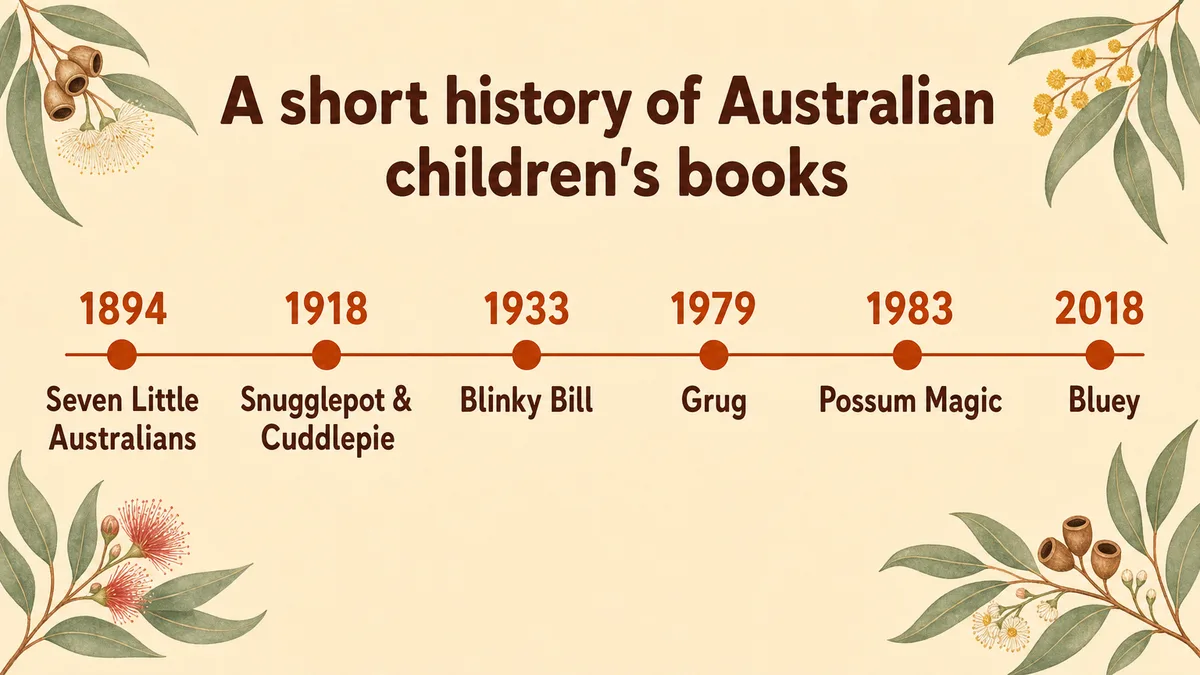
More than 180 years of Australian children’s books, from Charlotte Barton to Bluey.
The most iconic Australian children’s book characters
Some characters outlast the children who first met them. Snugglepot and Cuddlepie (1918), Blinky Bill (1933), Grug (1979), Hush and Grandma Poss (1983). Every one of them is still in print, and most have survived into a second or third generation of readers.
What they share is that they’re grounded in a real place, usually the bush, and they face small problems rather than grand adventures. A child picks one up and immediately recognises something: the curiosity, the awkwardness, the daily worry that feels enormous when you’re four.
We cover the full list, and why each one has lasted, in our guide to the iconic Australian children’s book characters.
Australian children’s books by age group
The right book depends entirely on the age you’re buying for. A quick orientation:
Babies (0–2). Board books, high contrast, simple and rhythmic. Where Is the Green Sheep?, the Grug board books, and Aboriginal-authored “welcome to Country” books all suit the youngest. Our full guide to Australian children’s books for babies and toddlers sorts the picks by stage.
Preschoolers (3–5). Story matters now: a plot, a joke, a problem solved. Grug picture books, Possum Magic, Wombat Stew, Edward the Emu. (Deeper guide to books for 3 to 5 year olds coming.)
Early readers (5–8). Longer texts and read-alouds. The Magic Pudding, Blinky Bill, The Muddle-Headed Wombat, Storm Boy for the older end.
If you only take one rule from this section: match the book to the stage your child is actually at, not the one you wish they were at.
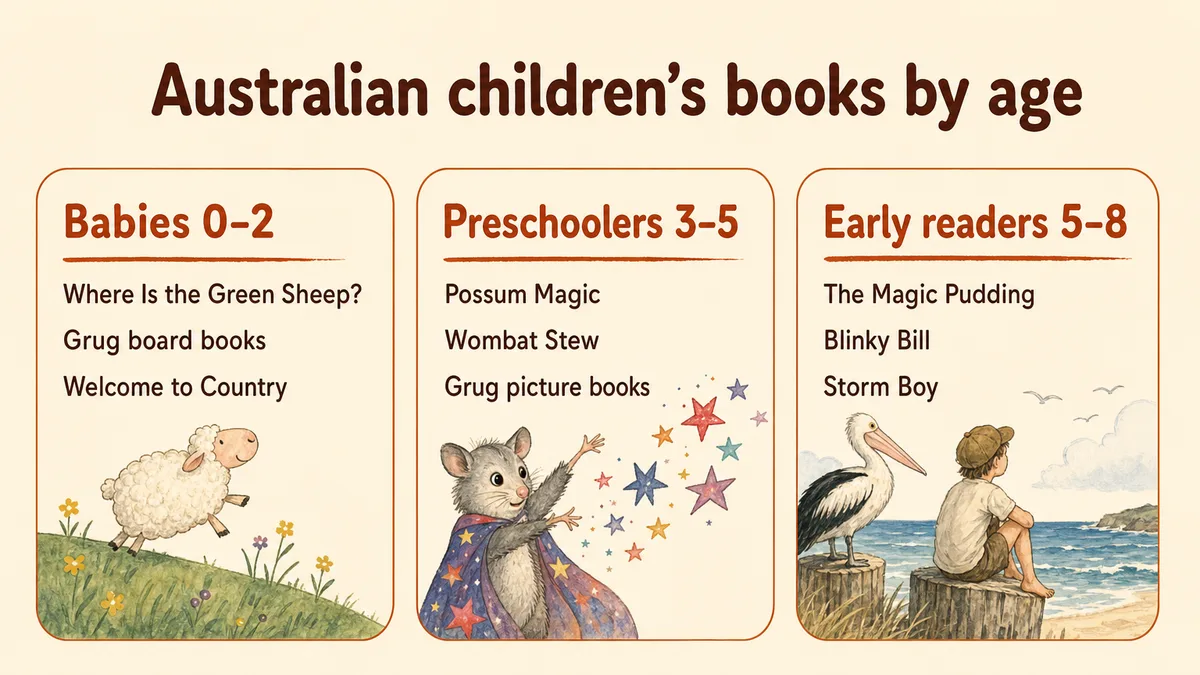
Match the book to the stage your child is actually at.
Picture books and board books
Most Australian children’s classics are picture books: paper pages, rich illustration, a single story you read in one sitting. They suit children from about two, once they can turn pages without tearing them. For the best of them, see our guide to the best Australian picture books (coming soon).
Board books are the durable, chew-proof format for babies: thick card, rounded corners, built to survive being dropped and gummed. If you’re buying for a child under two, start here. Our Australian children’s board books buyer’s guide covers what to look for and the best titles and box sets.
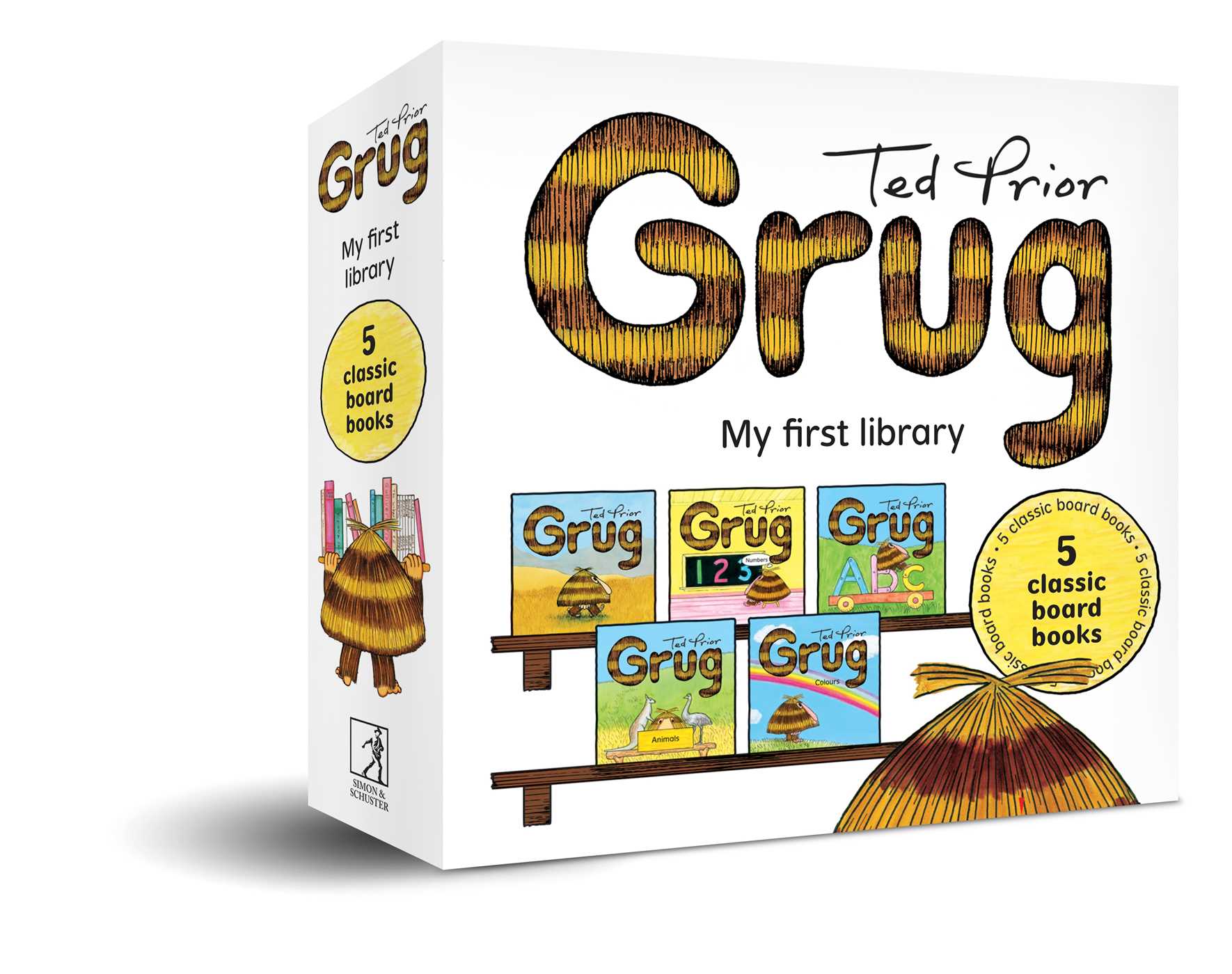
Board books like the Grug My First Library set are built to survive babies — and make a ready gift.
Books about the bush, nature and animals
If there’s one thread that runs through the whole category, it’s the natural world. Australian children’s books are full of wombats, possums, emus, kangaroos, and the bush itself, partly because it’s what’s outside the window, partly because native animals give a child their first sense of where they live.
Grug himself grew from the fallen top of a Burrawang palm. Blinky Bill is a koala, Hush a possum, the Diary of a Wombat star a wombat. We dig into this whole thread in our guide to books about the bush and animals.
The classics worth owning
A classic earns the word by lasting. The titles that have stayed in print across generations — Snugglepot and Cuddlepie, The Magic Pudding, Possum Magic, Grug — are the backbone of any Australian child’s shelf. Some are over a century old and have never gone out of print.
Our full list, organised by era from the 1890s to today, is in the guide to classic Australian children’s books.
Australian children’s books as gifts
For a baby shower, a first birthday, or Christmas, the safe move is a recognisable classic or a box set. A single paperback feels thin; a slipcase feels like an occasion. The Grug My First Library set (five board books in a slipcase) is built as a gift, and Possum Magic or Where Is the Green Sheep? are reliable because nearly every Australian parent already trusts them.
Our full Australian children’s books as gifts guide (coming soon) covers picks by age and occasion, and a dedicated Australian Christmas books for kids guide is on the way for the festive season.
CBCA Awards: what they are and why they matter
The Children’s Book Council of Australia (CBCA) has run the Book of the Year Awards annually since 1946. They’re the most respected children’s book awards in the country, and a CBCA sticker on a cover is a genuine signal of quality: Where Is the Green Sheep? won the Early Childhood award in 2005, The Rainbow Serpent took Picture Book of the Year in 1976.
If you’re not sure what to buy, the CBCA shortlists are a reliable shortcut, and Reading Australia offers teacher-curated guides to Australian titles. A fuller explainer on the Australian children’s book awards is coming.
Where to buy Australian children’s books
Almost every classic on this page is still in print, so you rarely have to hunt. Australian booksellers like Dymocks, QBD, Booktopia and Readings stock the full range, as do the publishers directly: Simon & Schuster Australia carries the complete Grug series, including the board books and the My First Library box set.
For older or out-of-print titles, secondhand shops are worth a look, especially for early editions of Snugglepot and Cuddlepie or The Magic Pudding where the original illustrations are part of the appeal.
Browse the full list of Grug books →
Frequently asked questions
What is the most famous Australian children’s book?
By sales, Possum Magic by Mem Fox (1983) is the benchmark, with over 3.5 million copies sold, the best-selling Australian children’s picture book ever. By age and standing, May Gibbs’s Snugglepot and Cuddlepie (1918) has been continuously in print for more than a century. Both have a fair claim.
What was the first Australian children’s book?
A Mother’s Offering to Her Children, published anonymously in 1841 and attributed to Charlotte Barton, is generally named as the first children’s book written and published in Australia.
What is the best-selling Australian children’s book?
Possum Magic by Mem Fox and Julie Vivas, with more than 3.5 million copies sold since 1983. No other Australian children’s picture book has matched it.
Who is the most famous Australian children’s author?
Mem Fox has the strongest claim by sales and recognition, on the strength of Possum Magic and Where Is the Green Sheep?. May Gibbs, Norman Lindsay, and Jackie French are other names nearly every Australian household knows.
Australian children’s books have a particular quality: they take small children seriously, and they’re rooted in a real place. If you’re starting a shelf, begin with the classics that have already lasted, and for a child under five, the Grug series is a good place to start. Forty-seven books, more than forty years in print.